Bridging Two Worlds: How South Asian Families in America Are Reimagining Pediatric Health
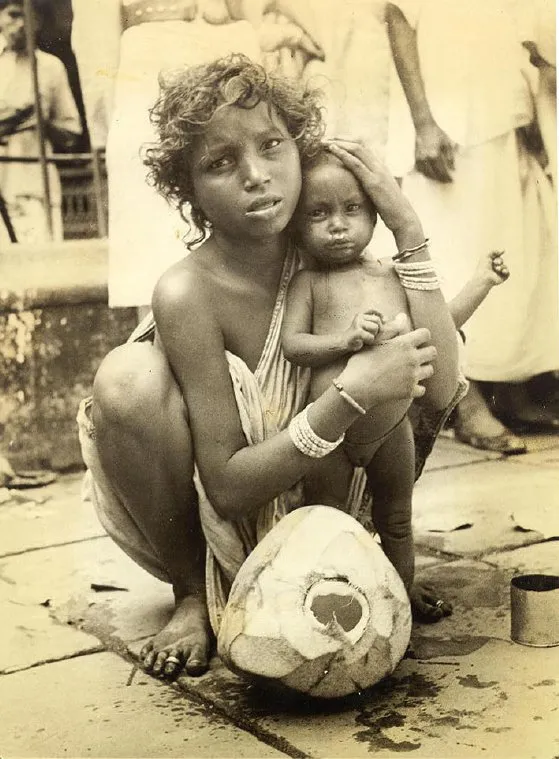
Photo: Clyde Waddell, Public domain, via Wikimedia Commons
A New Generation of Informed, Culturally Grounded Parents
Walk into any pediatric waiting room in cities like Fremont, California, or Edison, New Jersey, and you will notice a quiet but significant shift. South Asian parents — many of them first- or second-generation immigrants from India, Pakistan, Sri Lanka, and Bangladesh — are arriving with detailed questions. They want to understand how their child's recurrent ear infections interact with seasonal dietary changes. They ask whether the turmeric-laced warm milk their own mothers gave them has any place alongside a prescribed antibiotic course. They are not rejecting modern medicine. They are asking it to share the room.
This is not a fringe movement. According to a 2022 survey published in the journal Pediatrics, nearly 38 percent of South Asian American parents reported using at least one complementary health practice alongside conventional pediatric care for their children. That number has been steadily climbing, and pediatricians across the country are taking notice.
What Traditional Wisdom Actually Offers
Ayurveda — the ancient Indian system of medicine whose name translates roughly to "the science of life" — is not a single remedy or a collection of herbal supplements. It is a comprehensive philosophy of health rooted in the idea that the body exists in dynamic relationship with its environment, its seasons, and its internal constitution, known as prakriti. For children, Ayurvedic principles emphasize building foundational immunity, or ojas, through consistent routines, appropriate nutrition, and minimizing unnecessary stress on a developing system.
Many of these principles align surprisingly well with what contemporary pediatric research recommends. The Ayurvedic emphasis on consistent sleep schedules, for instance, mirrors the American Academy of Pediatrics' (AAP) guidelines on sleep duration for children across different age groups. The insistence on warm, easily digestible meals during illness parallels evidence-based nutritional guidance for pediatric recovery. The use of certain botanicals — including ashwagandha, tulsi (holy basil), and triphala — is now the subject of peer-reviewed research examining their anti-inflammatory and adaptogenic properties.
This does not mean that traditional practices are universally safe or effective without scrutiny. It means that the conversation is more nuanced than a simple binary between "old" and "new."
Pediatricians Who Navigate Both Shores
Dr. Meena Krishnamurthy, a board-certified pediatrician practicing in the Chicago metropolitan area, describes her approach as "evidence-informed and culturally responsive." She explains that a significant portion of her South Asian patient families come to appointments already practicing some form of traditional care — whether it is daily oil massage (abhyanga) for infants, the use of mulethi (licorice root) for sore throats, or specific dietary restrictions tied to the child's dominant dosha.
"My role is not to dismiss these practices outright," Dr. Krishnamurthy says. "My role is to understand them, evaluate them against the current evidence, and help families make informed decisions. Sometimes I say, 'This is safe and may genuinely help.' Sometimes I say, 'We need to be careful here because this herb can interact with a medication your child is taking.' That honest, respectful conversation is what builds trust."
Her experience reflects a broader shift in medical education. An increasing number of pediatric residency programs now include modules on cultural competency and complementary medicine, preparing the next generation of physicians to engage meaningfully with diverse patient populations.
Common Childhood Conditions and the Integrated Lens
Consider three of the most frequent concerns that bring children to a pediatrician's office: recurrent respiratory infections, eczema, and digestive discomfort. Each of these conditions has well-established conventional treatment protocols. Each also has a rich body of traditional knowledge that South Asian families frequently draw upon.
Respiratory Health: The AAP recommends hand hygiene, age-appropriate vaccination, and avoiding secondhand smoke as primary preventive strategies. Ayurvedic tradition adds the practice of nasya — the gentle application of sesame or medicated oil to the nasal passages — to protect mucous membranes during dry winter months. Preliminary research suggests that nasal oil application may reduce the adherence of certain pathogens to nasal tissue, though large-scale clinical trials remain limited. In the meantime, pediatricians like Dr. Krishnamurthy consider it a low-risk adjunct for families who find it culturally meaningful.
Eczema and Skin Conditions: Conventional management typically involves moisturizers, topical corticosteroids, and identifying environmental triggers. Many South Asian families also incorporate coconut oil or neem-based preparations into their child's skincare routine. Coconut oil, in particular, has been studied for its moisturizing and antimicrobial properties in children with mild to moderate eczema, with several small trials showing measurable benefit. Integrating this practice alongside a dermatologist-recommended regimen is something that many families, with proper guidance, can do safely.
Digestive Wellness: Colic, constipation, and recurrent stomach aches are among the most common reasons parents seek pediatric advice. Ayurvedic tradition offers hingvastak churna (a spiced powder blend) and warm fennel water as digestive supports. While clinical evidence is limited for some of these preparations, the broader principle — that gut health is foundational to overall child wellness — is one that modern gastroenterology firmly endorses.
What Parents Should Know Before Integrating Approaches
For families considering an integrated model of care, a few guiding principles are worth keeping in mind.
Transparency is essential. Always inform your child's pediatrician about any supplements, herbal preparations, or alternative practices your child is engaged in. This is not a matter of seeking approval — it is a matter of safety. Some botanicals can interact with prescription medications or affect laboratory results.
Source matters enormously. The supplement industry in the United States is not as tightly regulated as pharmaceutical manufacturing. When choosing Ayurvedic or herbal products for your child, look for brands that conduct third-party testing and carry certifications from organizations such as NSF International or USP.
Age-appropriateness is critical. Practices that are safe and beneficial for adults may not be appropriate for infants or young children. Consult with a qualified Ayurvedic practitioner who specializes in pediatric care — a specialty known as Kaumarabhritya in classical Ayurvedic texts — in addition to your child's conventional physician.
Integration is not replacement. Vaccinations, antibiotic courses when genuinely indicated, and evidence-based screening protocols are non-negotiable pillars of pediatric care. Traditional practices work best as complements to, not substitutes for, these interventions.
Building a Care Team That Reflects Your Values
One of the most empowering steps a South Asian family can take is to build a pediatric care team that genuinely understands their cultural context. This means seeking out pediatricians who ask about the whole child — not just the presenting symptom — and who approach traditional practices with curiosity rather than dismissal.
At Sukhayu Children's Hospital, our philosophy has always been rooted in the understanding that a child's health is inseparable from the family's values, cultural identity, and lived experience. We believe that the best pediatric care is not a contest between ancient wisdom and modern science. It is a thoughtful, evidence-grounded conversation that honors both.
South Asian families in America are not asking medicine to look backward. They are asking it to look wider. And that, for the children in our care, can only be a step forward.
