Beyond Checkups and Vitamins: Designing a Whole-Child Wellness Framework Rooted in Sukhayu Philosophy

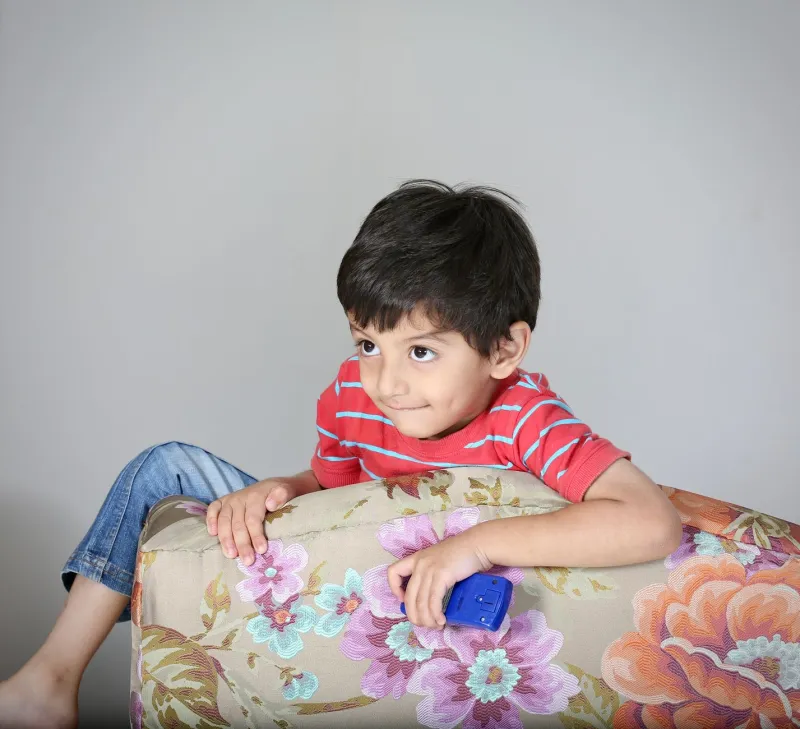
Photo by Photo by Jonathan Borba on Unsplash on Unsplash
Walk into any American pediatrician's waiting room and you will encounter a particular version of childhood health: growth charts on the wall, developmental screening questionnaires on clipboards, and brochures about screen time limits. These tools matter. They catch problems early and save lives. Yet for many Indian American parents, something feels missing from this picture—a dimension of wellness that cannot be captured in a z-score or a standardized checklist.
That missing dimension has a name. The Sanskrit word sukhayu—from which this hospital draws its identity—translates roughly as "a life of well-being," but the phrase barely does it justice. Sukha implies ease, spaciousness, and harmony; ayu refers to life in its fullest, most vital expression. Together, they describe not the absence of illness but the active presence of flourishing. It is a concept that Indian families have carried across generations, and it offers a genuinely useful counterpoint to a wellness culture that often reduces children to data points.
The question this article addresses is a practical one: how can Indian American parents in the United States build a wellness framework that honors sukhayu philosophy while remaining grounded in the science their pediatricians rely on?
Why Mainstream Wellness Culture Can Feel Incomplete
American pediatric medicine is, by any global standard, extraordinarily sophisticated. Vaccine-preventable diseases that once devastated communities are now rare. Neonatal outcomes have improved dramatically. Evidence-based nutrition guidelines have replaced decades of harmful advice.
And yet, the dominant cultural model of childhood wellness in the United States tends to be reactive and fragmented. Parents are told to call the doctor when symptoms appear. Mental health is treated as a separate concern from physical health. Sleep, digestion, emotional regulation, and family relationships are addressed in separate clinical silos—if they are addressed at all.
For families steeped in South Asian traditions, this fragmentation can feel disorienting. Ayurvedic principles, for instance, have long understood digestion (agni) as foundational to overall health—a perspective that modern research on the gut-brain axis is now beginning to validate. The concept of dinacharya, or daily rhythm, anticipates what chronobiology now confirms: that consistent routines powerfully regulate children's immune and neurological systems. These are not superstitions to be discarded. They are observations, refined over centuries, that deserve thoughtful integration rather than wholesale dismissal.
The Three Pillars of a Sukhayu-Informed Wellness Framework
Designing a personalized wellness framework begins with recognizing that sukhayu operates on three levels simultaneously: the body, the inner life, and the relational environment. Modern medicine addresses the first with great precision. The second and third are often left to chance.
1. The Body: Integrating Evidence and Ancestral Wisdom
At the physical level, sukhayu philosophy and contemporary pediatrics share more common ground than most parents realize. Both emphasize the importance of nourishing food, restorative sleep, and age-appropriate movement. The divergence tends to appear in how these are practiced.
An Indian American family might offer warm, spiced milk before bed—a practice rooted in Ayurvedic tradition that also, incidentally, aligns with research on the sleep-promoting properties of tryptophan and the calming effects of warm beverages. A parent might insist on oil massage (abhyanga) for an infant, a ritual that modern studies on tactile stimulation and infant development support. Rather than framing these practices as alternatives to medical guidance, families can position them as complementary layers—provided they discuss them openly with their child's pediatrician.
The critical principle here is transparency. Sukhayu-informed care does not mean choosing Ayurveda over antibiotics when antibiotics are clinically necessary. It means building a wellness environment so robust that the child's resilience is strengthened before illness strikes.
2. The Inner Life: Emotional and Psychological Wellness
Sukhayu philosophy has always understood that a child's emotional state is inseparable from physical health. Chronic stress, unprocessed grief, and persistent anxiety manifest in the body—through disrupted sleep, compromised immunity, and digestive disturbance. This is not metaphor; it is physiology.
For Indian American children navigating the particular pressures of bicultural identity—the code-switching between home culture and school culture, the weight of family expectations, the subtle experience of not quite belonging in either world—emotional wellness requires intentional attention.
A sukhayu-informed approach invites parents to create regular, low-pressure spaces for emotional expression. This might look like a nightly check-in ritual, a family practice of gratitude rooted in the Indian tradition of sandhyavandanam, or simply a commitment to asking open questions rather than performance-oriented ones. The goal is not to eliminate difficulty but to ensure that children have the relational scaffolding to process it.
3. The Relational Environment: Family as a Health System
Perhaps the most distinctive contribution of sukhayu philosophy to modern wellness thinking is its insistence that health is never purely individual. A child exists within a family, and the family exists within a community. The quality of those relationships—the warmth, the consistency, the presence of trusted elders, the resolution of conflict—directly shapes a child's long-term health trajectory.
Research on adverse childhood experiences (ACEs) has confirmed what Indian families have long intuited: relational stress is biological stress. Conversely, strong family cohesion is one of the most powerful protective factors in pediatric health outcomes. The multigenerational household structures common in South Asian families, often viewed skeptically by American cultural norms, may in fact confer measurable health advantages when those relationships are characterized by warmth and clear communication.
Building the Framework: Where to Begin
The prospect of designing a comprehensive wellness philosophy can feel overwhelming alongside the ordinary demands of parenting. The following starting points are meant to be accessible rather than aspirational.
Start with rhythm. Consistent mealtimes, sleep schedules, and morning routines are the structural backbone of sukhayu living. They require no special equipment and no cultural compromise—only commitment.
Audit your child's emotional environment. Ask honestly: does your child have reliable opportunities to express difficulty without fear of judgment? If not, identify one small change that could open that space.
Bring your whole self to the pediatrician's office. Your cultural observations about your child's health are data. Share them. A pediatrician who understands the full picture—including the practices and beliefs that shape your family's health decisions—is better equipped to serve your child.
Resist the wellness industry's version of perfection. Sukhayu is not a premium lifestyle product. It is a daily orientation toward balance, practiced imperfectly and revised continuously.
A Living Philosophy, Not a Fixed Protocol
The deepest insight embedded in the sukhayu concept may be this: wellness is not a destination but a practice. It is the accumulation of small, intentional choices made within the specific context of a particular child, a particular family, and a particular moment in time.
For Indian American parents raising children in the United States, that context is genuinely complex. It involves navigating two medical traditions, two cultural value systems, and the ordinary chaos of contemporary family life. Sukhayu philosophy does not promise to resolve that complexity. It offers something more useful: a framework for holding it with grace.